
• A home battery offers quiet backup power and can pair well with solar.
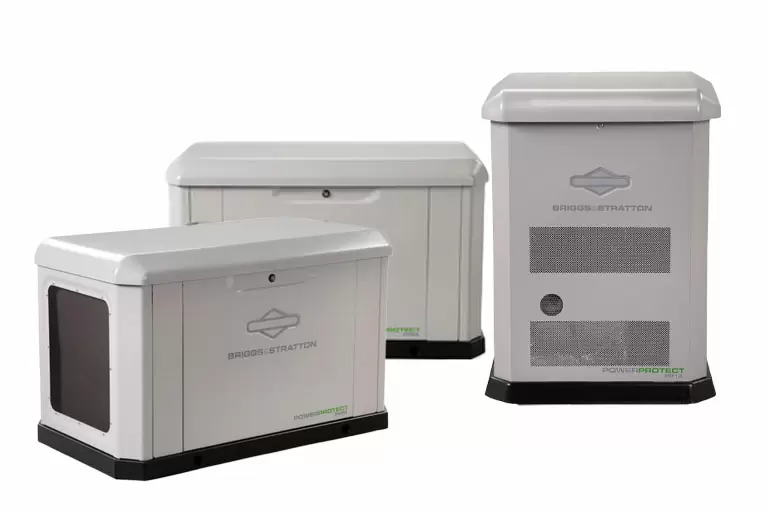
• A standby generator can provide longer outage coverage when fuel remains available.
• A hybrid system can combine battery convenience with generator endurance.
The home battery vs generator decision depends on outage length, household power needs, and how you want your backup system to operate. For Vermont homeowners, both technologies can work well, but they solve different problems.
When a Home Battery Makes Sense
A whole-home battery in Vermont can be a strong fit for short outages, quiet operation, and homes with solar. Batteries store electricity for later use, so no engine runs outside and no fuel needs managing.
The main limit is stored energy. Runtime depends on battery capacity and household demand. During a long Vermont ice storm, a battery system may need solar or another backup source to recharge.
Why Standby Generators Still Matter
In a battery backup vs standby generator comparison, generators stand out for extended outages. A properly sized standby generator can keep producing electricity as long as fuel remains available. That can help keep heat, refrigeration, pumps, and other essential systems running for several days.
Cost, maintenance, lifespan, and cold weather performance vary by system, so there is no single winner for every home.
A Hybrid System Can Offer Both
A generator battery hybrid system can use stored battery power for quiet backup, then rely on a generator when an outage lasts longer. At Brook Field Service, we install Franklin and SimpliPHI battery systems, Kohler generators, and combined solutions.
For standby projects, Brook Field Service can help match the system to your home. Schedule a free onsite evaluation to compare your options.


